
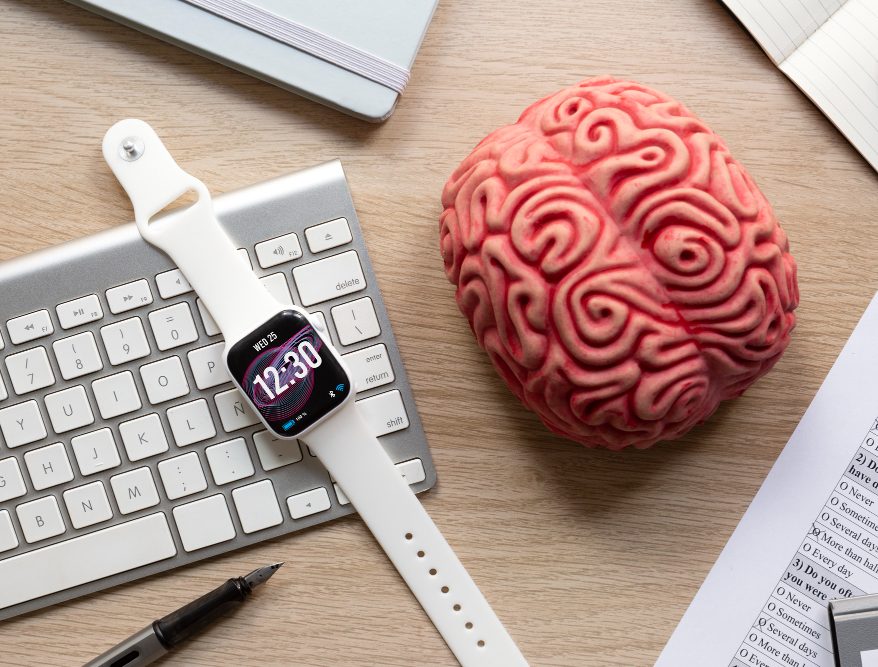
How Technology Is Changing Our Understanding of Learning and Memory
The relationship between technology and the way humans learn and remember information is evolving at a rapid pace. For decades, memory was understood largely in terms of repetition, effort, and the ability to recall facts without external assistance. Now, with devices that store, sort, and instantl…

Why People Perceive the Same Taste Differently
Why does a spoonful of the same soup taste rich and savory to one person, yet strangely bland or even unpleasant to another? The answer lies in the intricate interplay between biology, psychology, and culture. Our taste buds may all be designed to detect the same basic flavors—sweet, sour, salty, b…

How Sleep Affects Creativity and Problem-Solving Skills
In today’s fast-paced world, sleep is often treated as a luxury rather than a necessity. Yet mounting research shows that the hours we spend resting are directly tied to how well we think, innovate, and solve complex problems. When the brain is allowed to cycle properly through stages of deep and R…

Why Some Animals Can Predict Weather Changes
For centuries, humans have noticed unusual behaviors in animals just before storms, earthquakes, or sudden shifts in temperature. Birds flying low to the ground, cows lying down in pastures, or dogs becoming restless are examples often cited by farmers and naturalists as signs of approaching weathe…

What the Brain Does When We Solve Complex Problems
The Intricate Neural Symphony: How the Brain’s Interconnected Regions Collaborate When we engage in solving a complex problem—whether...

How Memories Are Formed and Why We Forget Certain Moments
Memories shape our sense of self, guiding how we learn, make decisions, and connect with others. But despite their importance, the process of memory formation is neither perfect nor permanent. When we experience something new, our brains begin by encoding the event, transforming sights, sounds, or …